
Our History
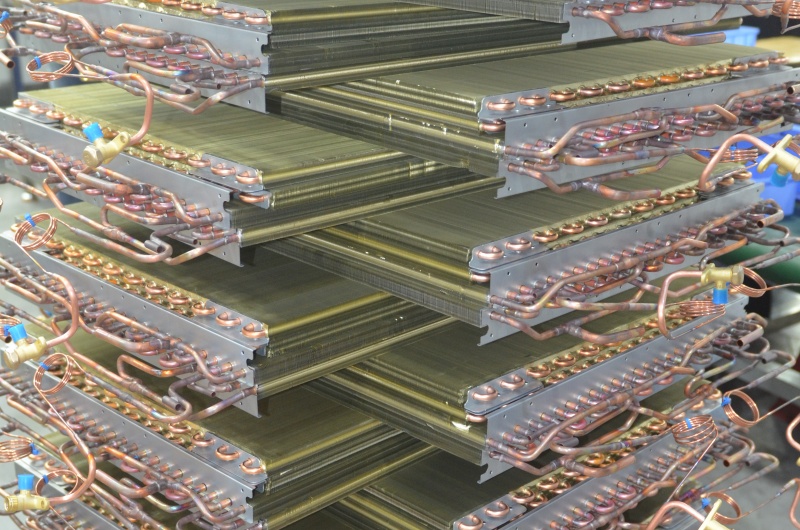
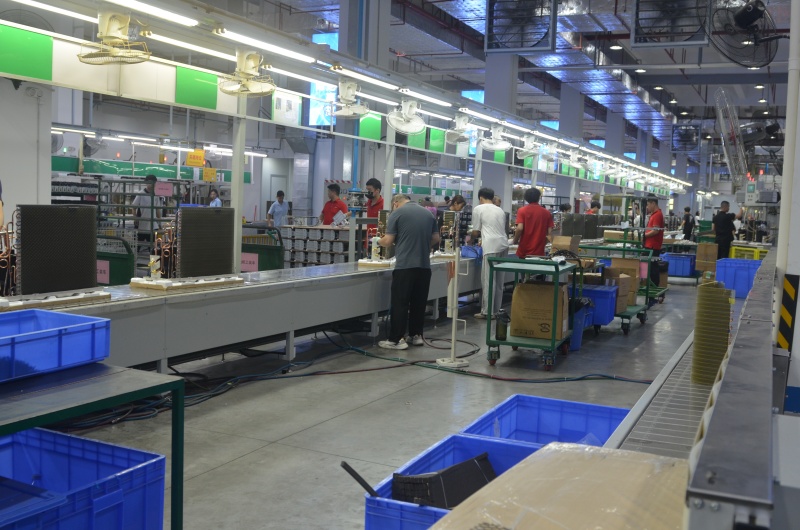
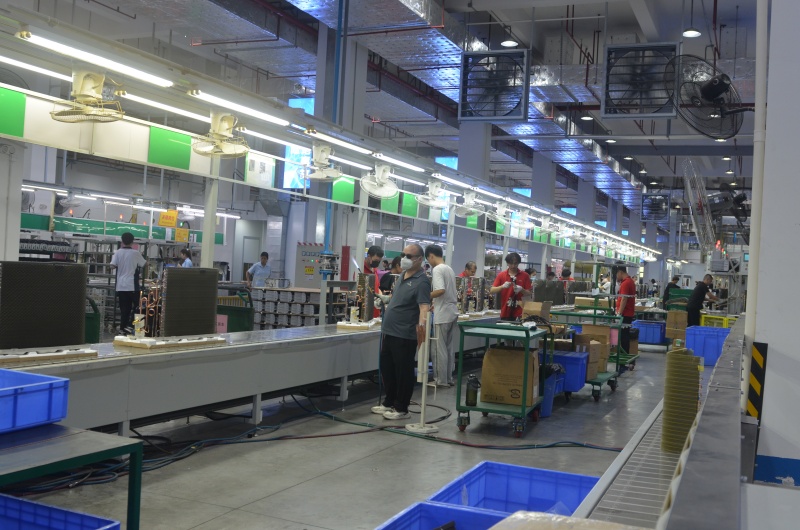
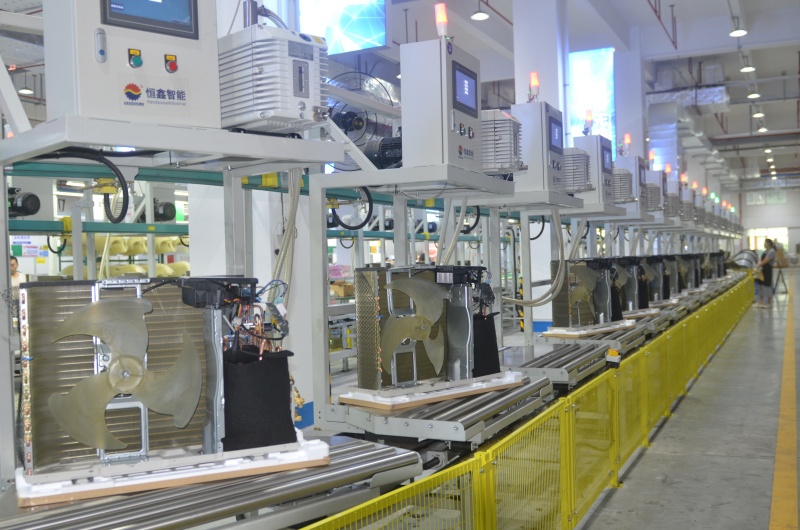
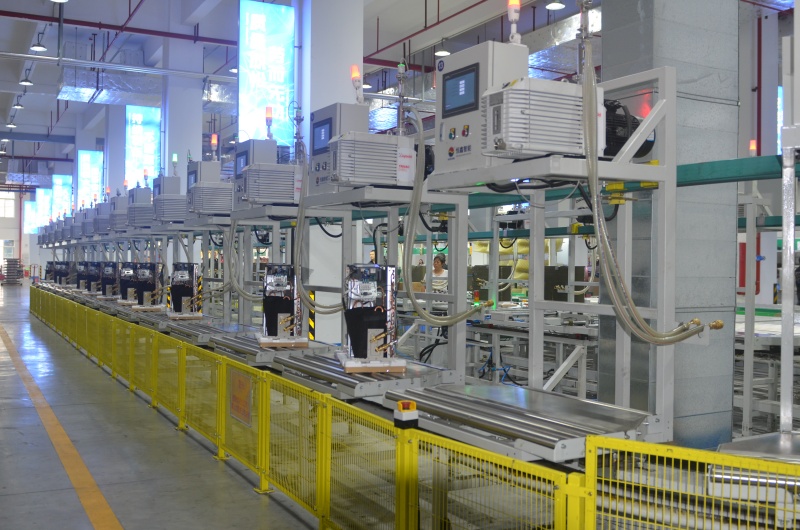
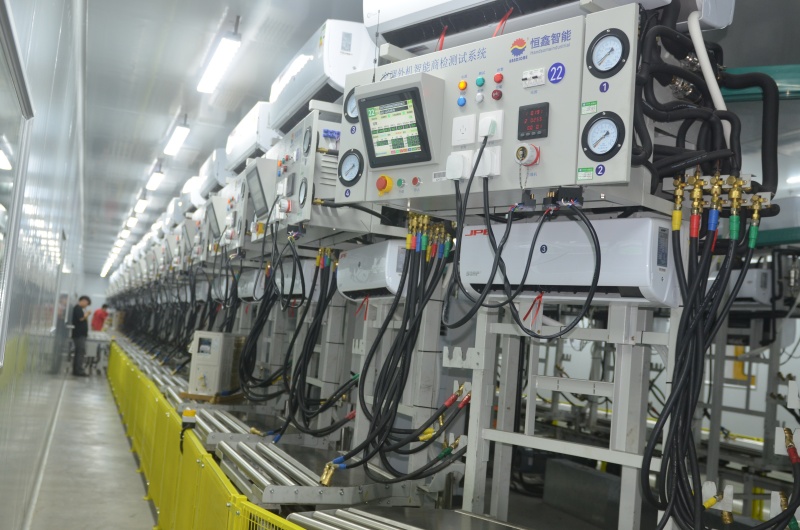
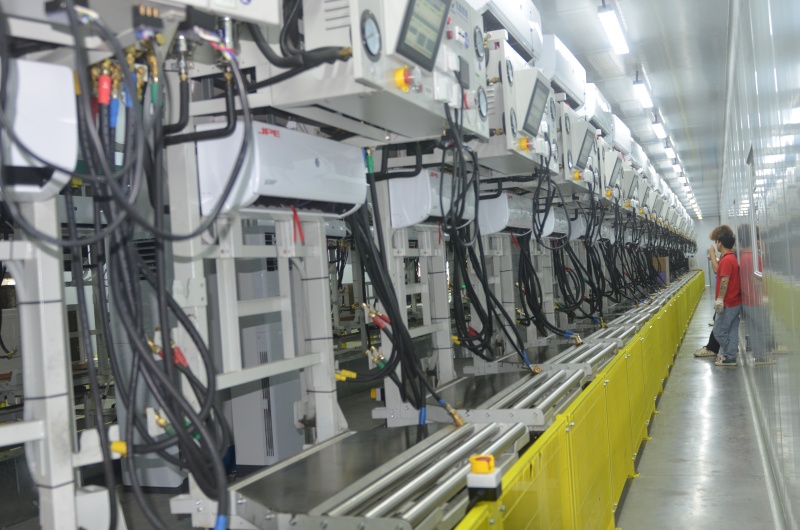
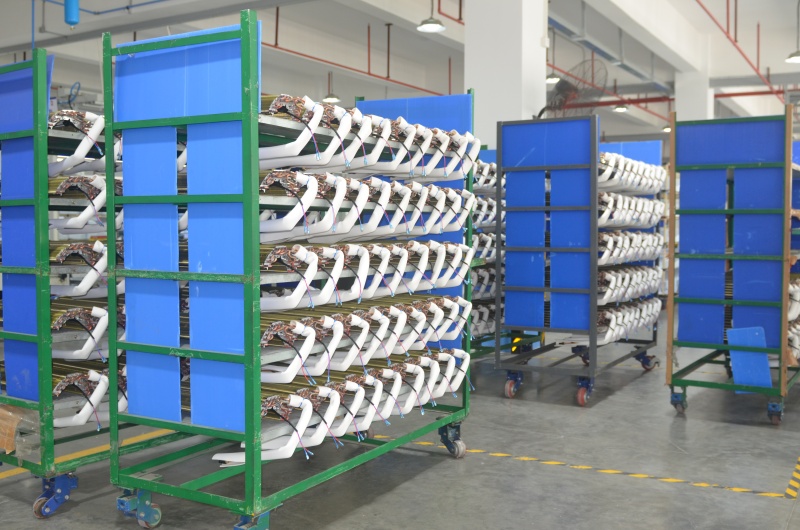
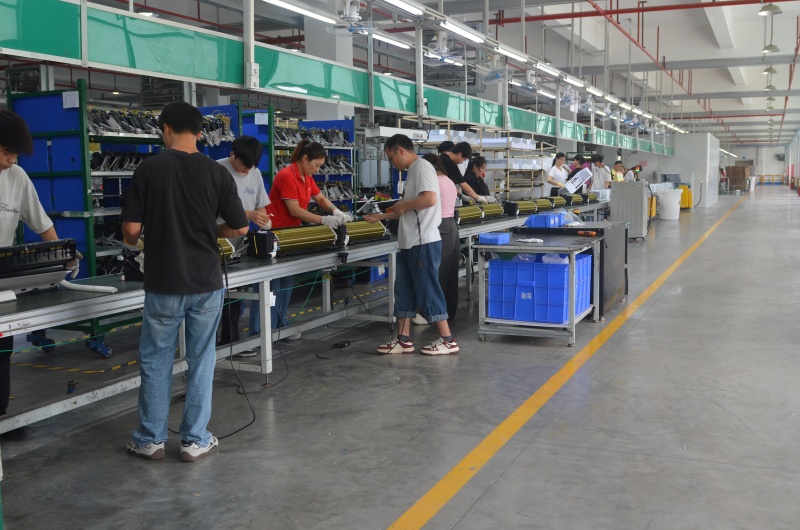
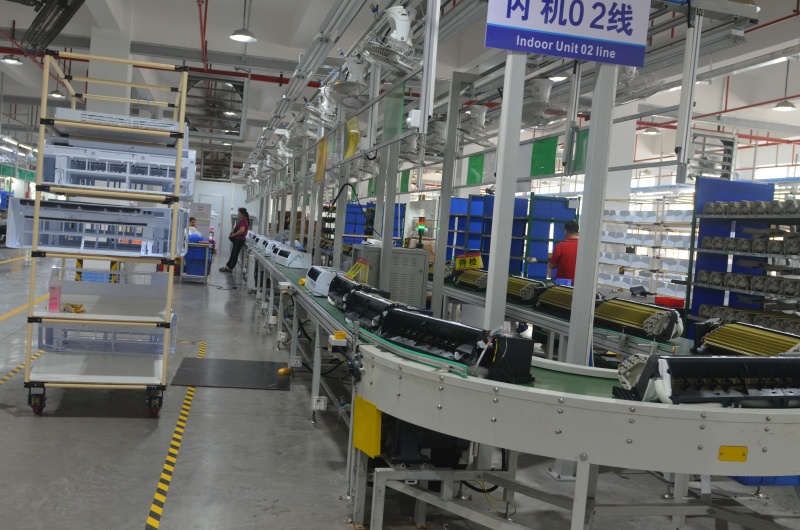
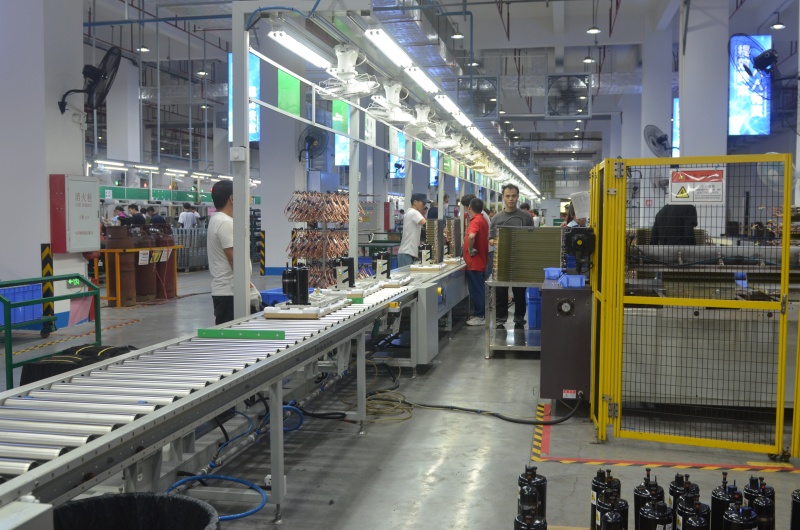
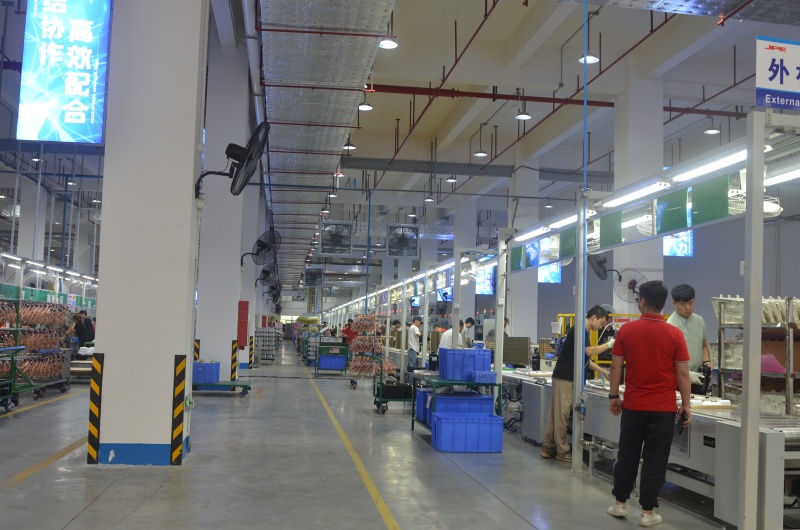
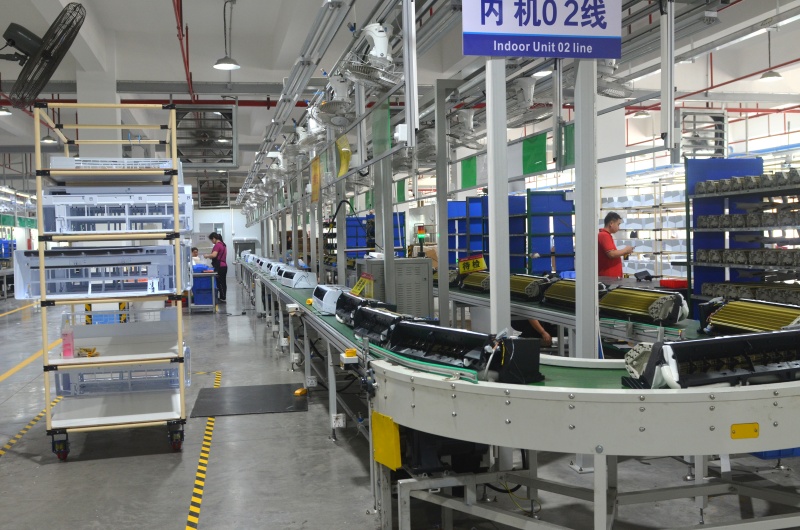
Guangdong Shacopu Air Conditioner Co.,Ltd is a professional manufacturer of air conditioners. Established in 1990, our R&D technology team works to ensure air conditioner quality for different requirements of various countries. We focus on quality with strict process management, and the QC team strictly tests every unit for export. As our continued efforts, more than 50 kinds of wall-mounted, portable, cassette and ducted air conditioners have been successfully designed, in line with the climatic and electrical environment of various countries. They are very popular in tropical, hot and dry areas.
Portable air conditioners and commercial cooling units are among our main products. Our factory covers an area of 30,000 square meters with more than 500 employees. Our products have CE, RoHS, SASO and CB certificates. They are exported to Europe, America, the Middle East, Southeast Asia, Africa and other international markets. We supply the best quality products with competitive prices, and we also help our customers enlarge their market share and achieve maximum benefit. We are looking forward to being your best supplier.
Foundation & Initial Setup
The factory was established in 1990, starting the research and production of refrigeration appliances with a small production team.

Stable Production & Market Expansion
We built standardized production lines, improved basic quality control, and began exporting products to overseas markets.

System Certification & Quality Upgrade
We obtained ISO management certifications and international product certificates, formalizing full-process QC standards.

R&D Center Establishment
Set up independent R&D and testing laboratory, launched new models for different global voltage and refrigerant requirements.

Diversified Product Layout
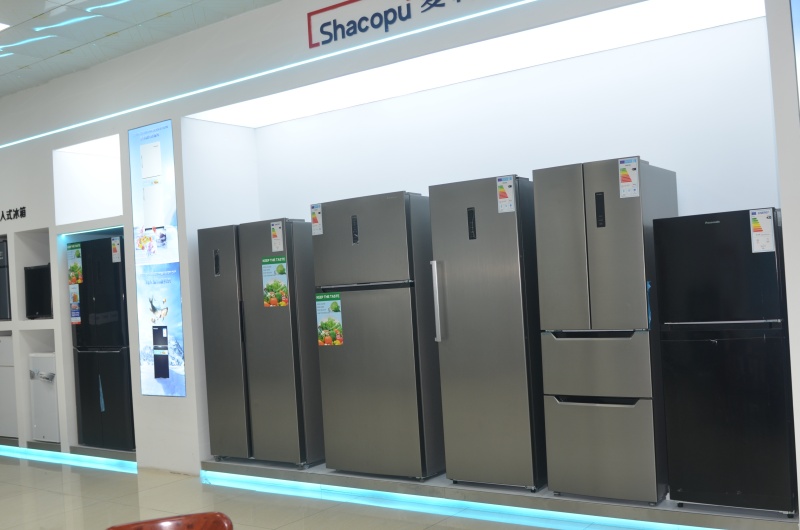
Expanded product portfolio to include washing machines, air conditioners and other home appliances, forming multi-category supply capacity.

OEM & ODM Customization Maturity
Perfectly supported private label, customized appearance and technical parameters, serving wholesalers and engineering clients worldwide.

Global Brand Operation
Continuous optimization of supply chain and after-sales service, building long-term stable cooperation with partners across more than 100 countries.

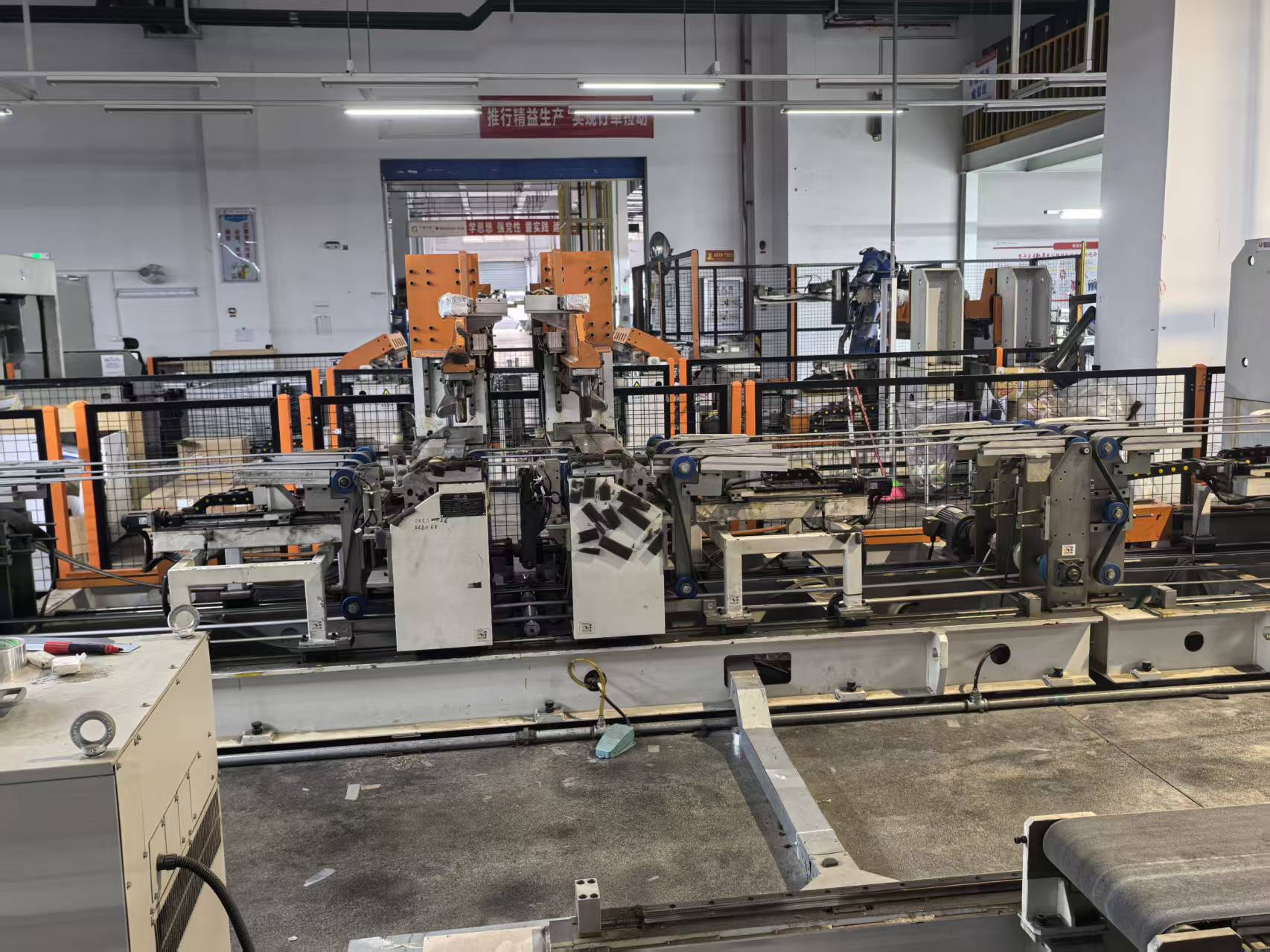
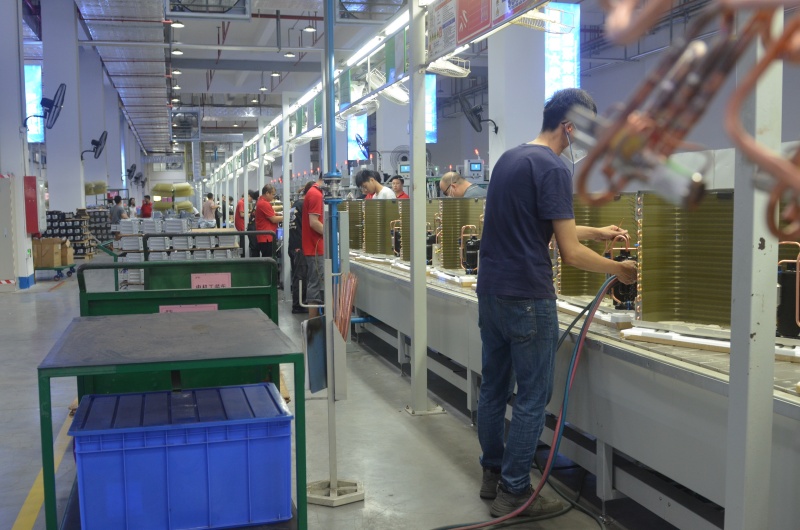
1. Introduction to Air Conditioning Technology An air conditioner is a system designed to remove heat and moisture from an indoor space, delivering a comfortable and controlled environment. It works on the basic principle of a refrigeration cycle, in which heat is absorbed from the indoor air and discharged outside. Modern air conditioners have evolved from simple cooling machines into intelligent, energy-efficient systems that can also heat, dehumidify, purify the air and operate automatically according to the surrounding conditions. Understanding the key technical points of an air conditioner helps buyers select the right product for their market and helps engineers maintain and improve product quality.
2. The Refrigeration Cycle — How an Air Conditioner Works The heart of any air conditioner is the refrigeration cycle, which consists of four main components: the compressor, the condenser, the expansion valve (capillary tube) and the evaporator. The process begins when the compressor pressurizes the low-temperature, low-pressure refrigerant gas, raising both its temperature and pressure. This hot, high-pressure gas then flows into the condenser, where it releases heat to the outside air and condenses into a liquid. The liquid refrigerant passes through the expansion valve, where its pressure drops sharply, causing it to cool. It then enters the evaporator coil, where it absorbs heat from the indoor air and evaporates back into a gas, cooling the air in the process. Finally, the low-pressure gas returns to the compressor, and the cycle repeats continuously. This closed-loop system is the fundamental technology behind all air conditioning.
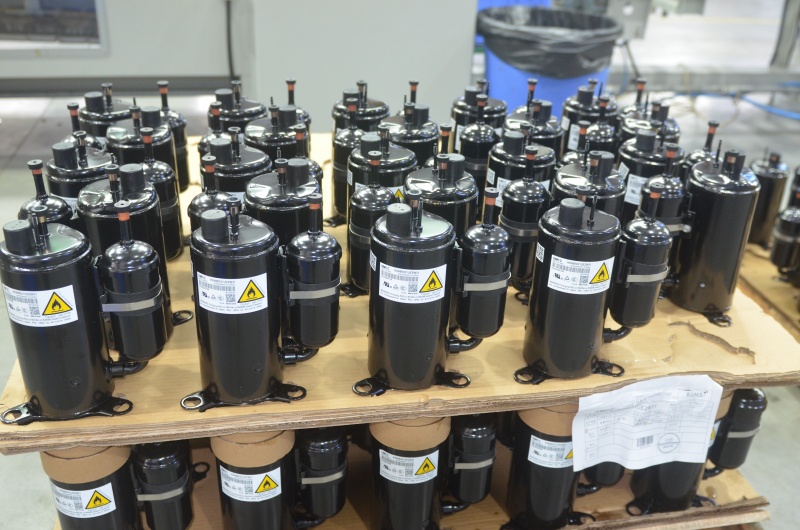
3. The Compressor — The Heart of the System The compressor is often called the heart of the air conditioner because it drives the entire refrigeration cycle. Its function is to compress the refrigerant gas and circulate it through the system. There are two main types of compressors used in residential and light commercial air conditioners: fixed-speed (constant-speed) compressors and inverter compressors.
A fixed-speed compressor runs at a constant speed and switches on and off to maintain the set temperature. While simple and reliable, it causes larger temperature fluctuations, higher energy consumption and more noticeable noise when starting and stopping.
An inverter compressor, by contrast, adjusts its speed continuously according to the cooling demand. When the room is hot, it runs at high speed for rapid cooling; once the target temperature is reached, it slows down to maintain the temperature steadily. This results in more consistent comfort, lower electricity consumption, quieter operation and a longer service life for the whole system. Inverter technology is now the preferred choice in markets with strict energy regulations or high electricity prices.
Compressors are also classified by structure: rotary compressors, which are compact and widely used in small to medium units, and scroll compressors, which are more efficient and commonly used in larger or commercial systems. The quality of the compressor directly affects cooling speed, energy efficiency and reliability.
4. Refrigerants — The Working Fluid The refrigerant is the fluid that transfers heat in the refrigeration cycle. Historically, R22 (HCFC) was widely used, but because of its ozone-depleting properties, it has been phased out in most markets. Modern air conditioners use more environmentally friendly refrigerants such as R410A, R32 and R290.
R410A is a blend that offers good efficiency but has a relatively high Global Warming Potential (GWP). R32 has a lower GWP and better efficiency, making it a popular choice in many countries. R290 (propane) is a natural refrigerant with an extremely low GWP of about 3, making it the most environmentally friendly option. It fully complies with EU F-Gas regulations and is increasingly used in portable and residential units, especially for markets in Europe, Australia and North America.
Because R290 is flammable, units using it require special safety design, including sealed components, flame-proof housings and strict charge limits. Buyers must check the local regulations of their destination country to confirm which refrigerant is permitted. Choosing the right refrigerant is essential for compliance, environmental responsibility and long-term market access.
5. The Condenser — Releasing Heat Outside The condenser is the component that releases the heat absorbed from the room into the outside environment. It consists of a network of tubes and fins that maximize the surface area for heat exchange. Hot, high-pressure refrigerant gas flows through the tubes, while air (from a fan) passes over the fins, carrying the heat away. The refrigerant condenses into a liquid as it cools.
The efficiency of the condenser directly affects the overall performance of the air conditioner. A well-designed condenser with dense fins, precise tube arrangement and smooth airflow can reject heat more quickly, reducing the workload of the compressor and improving energy efficiency. In hot climates, where the ambient temperature is high, an effective condenser is especially important to maintain stable cooling performance. Condensers are tested for heat exchange efficiency, pressure resistance and leak-tightness before assembly.
6. The Evaporator — Absorbing Heat Indoors The evaporator is the indoor heat exchanger that absorbs heat from the room air. Liquid refrigerant enters the evaporator at low pressure and low temperature. As warm indoor air is blown across the coil by the indoor fan, the refrigerant absorbs the heat and evaporates into a gas, cooling the air. The cooled air is then circulated back into the room, while moisture in the air condenses on the coil and is drained away, providing the dehumidifying function of the air conditioner.
The design of the evaporator, including the fin density, tube diameter and airflow path, determines how effectively heat is absorbed. A more efficient evaporator provides faster cooling and better dehumidification, improving overall comfort. Like the condenser, the evaporator must be thoroughly tested for performance, durability and leak-tightness.
7. Expansion Valve and Capillary Tube — Controlling Pressure The expansion valve or capillary tube sits between the condenser and the evaporator. Its role is to create a sharp pressure drop in the liquid refrigerant, causing it to cool rapidly before entering the evaporator. A capillary tube is a simple, fixed-length tube that provides a constant pressure drop; it is inexpensive and reliable, making it common in smaller units. An expansion valve (such as a thermostatic or electronic expansion valve) can adjust the flow of refrigerant more precisely, improving efficiency and adapting to changing conditions. This component plays a critical role in balancing the refrigeration cycle and ensuring stable performance.
8. Energy Efficiency — Saving Power and Money Energy efficiency is one of the most important criteria for selecting an air conditioner. It is measured by the Energy Efficiency Ratio (EER) for cooling and the Seasonal Energy Efficiency Ratio (SEER) for seasonal performance, or by the energy class label (such as Class A to G) used in many markets. A higher efficiency rating means the unit produces more cooling for each unit of electricity consumed, resulting in lower electricity bills and a smaller environmental footprint.
Inverter technology is the key to achieving high energy efficiency, as it avoids the wasteful on-off cycling of fixed-speed systems. Other factors that improve efficiency include high-performance compressors, optimized heat exchangers, precise temperature control and good insulation of the cabinet. Many markets require energy efficiency certifications such as MEPS, Energy Star or ERP for market access, so choosing an efficient model also simplifies compliance and customs clearance.
9. Noise Level — Comfort Without Disturbance Noise is a key factor for customer satisfaction, especially for bedrooms, offices and hospitals. The noise level of an air conditioner is measured in decibels (dB) and depends on the compressor, the fans and the airflow design. Inverter units are generally quieter than fixed-speed units because they do not frequently start and stop. Manufacturers reduce noise through smooth compressor operation, optimized fan blade design, sound insulation materials and vibration damping. Typical noise levels for residential units range from about 45 to 65 dB depending on the model and fan speed. Testing under standard conditions ensures that the stated noise value is accurate, and low-noise models are available for customers who prioritize quiet operation.
10. Airflow, Ventilation and Installation Airflow is measured in cubic meters per hour (m³/h) and indicates how much air the unit can move. Higher airflow provides faster and more even cooling but may increase noise. Portable air conditioners use an exhaust hose to discharge hot air outside, and they require no complex installation — the user simply places the unit near a window, attaches the hose kit and plugs it in. This makes them ideal for rental homes, garages, offices, tents and temporary spaces. Wall-mounted split units require professional installation, with the indoor unit mounted on the wall and the outdoor unit placed outside. Cassette and ducted units are designed for commercial and larger spaces, providing concealed, even cooling across multiple rooms.
11. Additional Functions and Smart Features Modern air conditioners offer more than just cooling. Common functions include cooling, heating (heat pump mode), dehumidifying, fan-only circulation and sleep mode. Smart features such as remote control, Wi-Fi connectivity, app control, timers, temperature memory and self-diagnosis are increasingly popular. Air purification features, including filters that remove dust, pollen and odors, add extra value in markets with air quality concerns. These functions make the unit versatile and allow year-round use, increasing both customer satisfaction and product competitiveness.
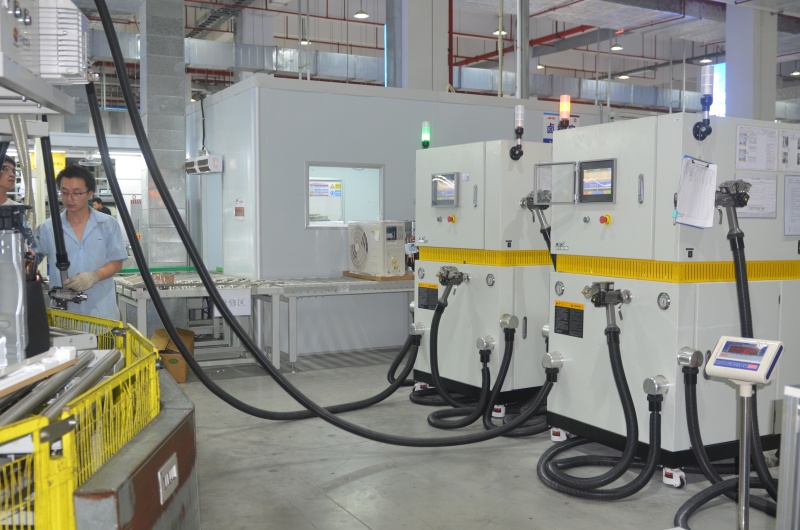
12. Quality Control and Testing To guarantee reliable performance, every air conditioner must pass a strict quality control process. This typically includes incoming component inspection, in-process production inspection and finished product inspection. Professional tests cover electrical safety, cooling performance, life testing, drop testing, noise level testing, transportation vibration testing and aging tests. Packaging and transportation conditions are also verified to ensure products arrive in good condition. In-house laboratories follow international standards, and many manufacturers perform 100% inspection on every unit before shipment. High-quality testing is the foundation of a strong reputation and long-term customer trust.
13. Certification and Compliance For international sales, air conditioners must meet the certification requirements of the destination market. Common certifications include CE (Europe), CB (international IECEE), ETL and UL (North America), GS (Germany), SASO (Saudi Arabia), SAA (Australia), RoHS (hazardous substances) and CCC (China). Energy efficiency certificates such as MEPS, Energy Star and ERP may also be required. Ensuring that a product carries the correct certifications is essential for smooth customs clearance, retailer acceptance and customer confidence.
14. Conclusion Air conditioning technology combines advanced engineering, efficient heat exchange, intelligent control and strict quality control. From the compressor that drives the cycle, to the refrigerants that protect the environment, and from energy efficiency to noise control, every technical point contributes to the comfort, reliability and value of the final product. By understanding these key technologies, buyers can select the right air conditioner for their market, and manufacturers can continue to deliver products that meet the highest standards of quality, efficiency and sustainability.
Guangdong Shacopu Air Conditioner Co.,Ltd

1. High strength structural polymer cabinet for more than 15 year use
2. Super low noise axial fan and columnar air-out
3. High efficiency cooling pads with large evaporation.
4. Intelligent control system provides lack water alarm protection, over current protection
5. Remote control function, auto swing air diffuser to cover more area
6. Strong brace and special design safe shield
7. More user-friendly than any competitive cooler
8. Big capacity water tank for long time use
9. High frame for more use area