| Brand | Songpeng , Pazoeoeic , Shacopu , Santoubiao |
| According Color | White Body & Door & Konb |
| Motor | Universal |
| Max Spin Speed (RPM) | 1200 |
| Net/Gross Weight | 58/62kg |
| Product dimension | 595*480*850 |
| Packing Dimensions | 660*535*885 |
| Loading QTY (40HQ) | 227pcs |
| Porthole (mm) | 285 |
| Outer Door Frame (mm) | 430 |
| Door Opening Angle | 180 |
| Voltage/Frequency | 220-240V/50 or 60Hz |
| Wash/Spin Power | 240/500W |
| Heating Power | 1600W |
| Max Power | 1800W |
| Water Consumption (L/Cycle) | 52 |
| Energy Consumption (kWh/Cycle) | 0.887 |
| Energy Efficiency Class | A++ |
| Temperature selection | Yes in display ※ - 95℃ |
| Delay Start | 3-24 Hours in display |
| Water Pressure | 0.03MPa-1MPa |
| Noise level -Wash/Spin | 60/76 dBA |
| Cabinet Material | PCM |
| Tub Material | Plastic |
| Inner Drum Material | Stainless Steel |
| Washing Programs | 12 |
| LED Display | Yes |
| Touch Control | No |
| Pump | Yes |
| Aluminium Motor | Yes |
| Child Lock | Yes |
| Auto Balance | Yes |
| Self-Clean Drum | Yes |
| Removable Top | Yes |
| Adjustable Feet | Yes |
Small, efficient, and powerful. These are the keywords defining the mini Washing Machine market in China. As consumer preferences shift towards compact and versatile home appliances, manufacturers are responding with innovative designs. The OEM/ODM landscape is evolving rapidly, with companies like Pazoeoeic leading the charge.
Market Trends and Demands
Consider this: a report by Statista shows that the demand for mini washing machines is projected to grow by 15% annually. Isn't that astounding? Urban living spaces are shrinking, and so are the appliances. Mini washing machines are not only space-saving but also energy-efficient, appealing to the eco-conscious consumer.
Custom Manufacturing & OEM/ODM Opportunities
- Flexibility in Design
- Cost-Effectiveness
- Faster Time-to-Market
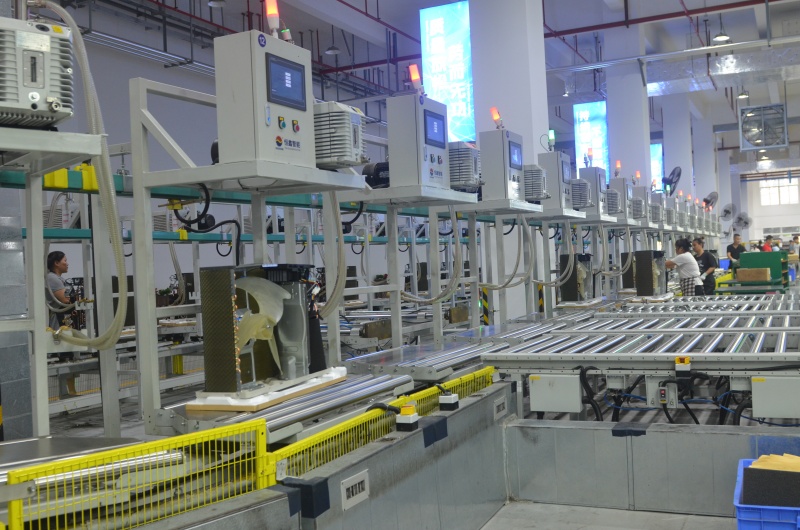
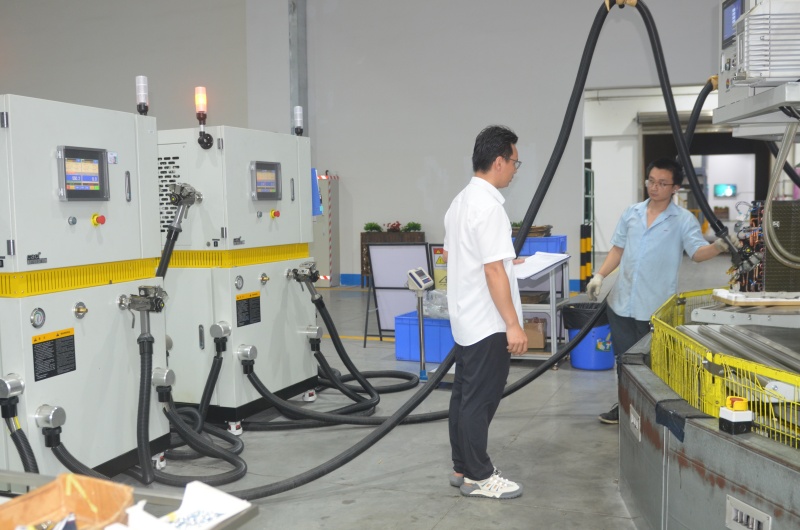
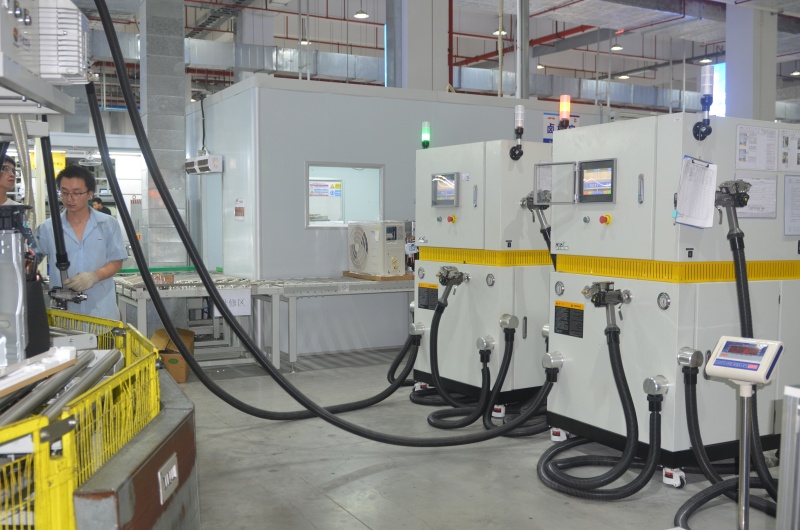
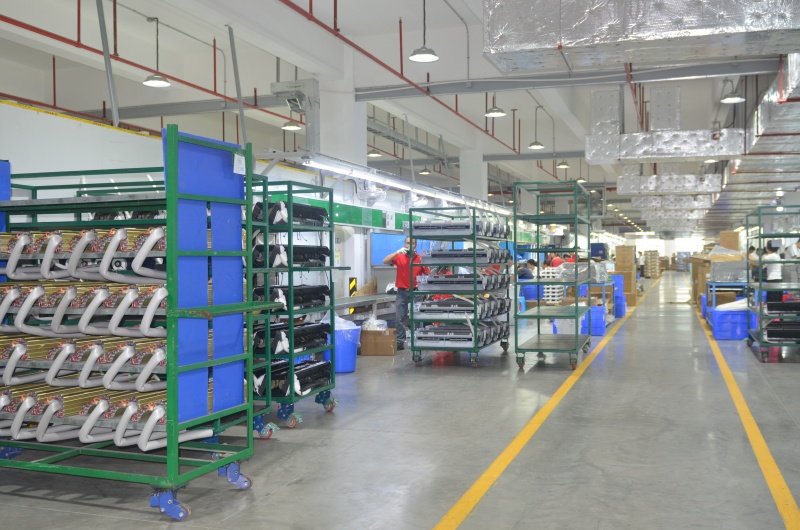
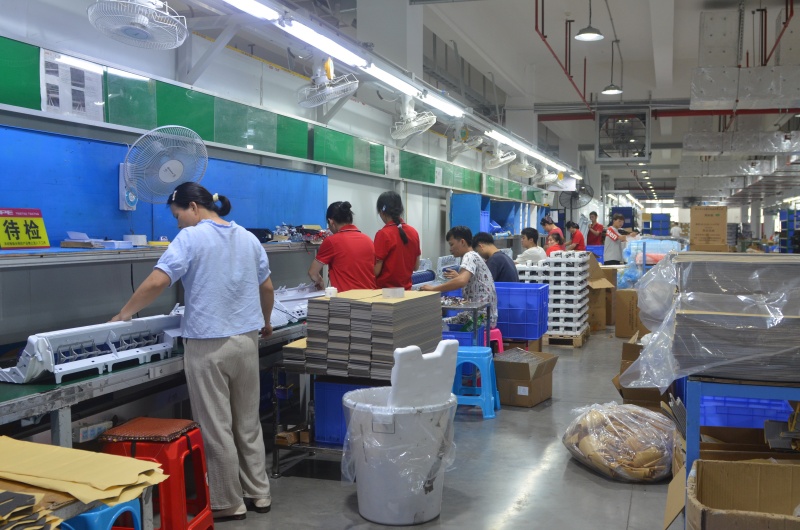
OEM (Original Equipment Manufacturer) and ODM (Original Design Manufacturer) services provide an avenue for brands to customize their product offerings. For instance, a client may approach a factory in Guangdong for a specific design tailored to their brand aesthetic. The collaboration allows for direct input on material choices and features.
Case Study: Pazoeoeic's Custom Mini Washing Machine
Picture a young professional, living in a bustling Beijing apartment. Space is limited, yet the need for cleanliness is paramount. Here, Pazoeoeic steps in with a mini Washing Machine designed specifically for urban dwellers. This model features a dual drum system, allowing simultaneous washing and drying. Isn't that a game-changer?
In a comparative analysis, this model consumes 30% less water compared to traditional washing machines. Moreover, its energy-efficient motor significantly reduces electricity costs. Such innovations are crucial in a market where sustainability meets functionality.
Key Features to Consider
- Portability: Easy to move and store
- Smart Technology: Wi-Fi connectivity for remote control
- User-Friendly Interface: One-touch operation for busy lifestyles
Challenges in the Manufacturing Sector
While the advantages are clear, challenges lurk around the corner. Quality control remains a significant concern. How do manufacturers ensure that every unit meets the desired standards? Consistency is key, and factories must implement rigorous testing protocols to maintain their reputation.
Additionally, supply chain disruptions, exacerbated by global events, complicate timely deliveries. Balancing quality with efficiency requires a deft touch. Manufacturers must be agile in adapting to these hurdles.
Future Outlook
As we look ahead, the mini washing machine segment is set to thrive. Innovations will continue to emerge, catering to specific consumer needs. Brands like Pazoeoeic, with their focus on customized manufacturing, will play a pivotal role in shaping this future. Will they dominate the market? Only time will tell.
In conclusion, the mini washing machine market in China is a microcosm of broader trends in consumer behavior. As lifestyles evolve, so too must the products we rely on. The integration of technology, design, and sustainability will define the next generation of home appliances.